


Nihon Delights: A Journey Through Japan’s Culinary Artistry
Nihon Delights: A Journey Through Japan’s Culinary Artistry
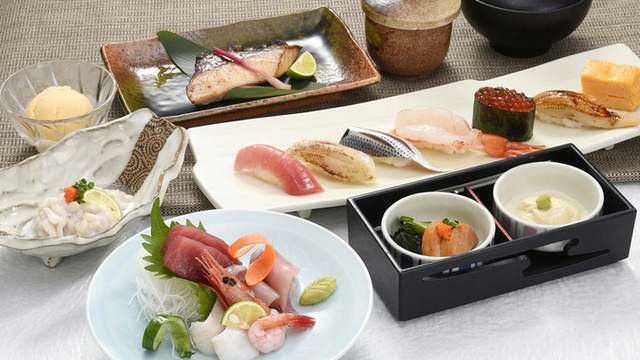
From the neon-lit alleys of Tokyo to the serene tea houses of Kyoto, the term “Nihon Delights” captures the essence of a food culture defined by precision, seasonality, and deep-rooted tradition. Japanese cuisine, or Washoku, is more than just sustenance; it is an art form recognized by UNESCO as an Intangible Cultural Heritage. To explore these delights is to embark on a sensory journey where every ingredient tells a story.
The Soul of the Japanese Table
At the heart of every Nihon delight lies Umami—the savory “fifth taste.” This is often achieved through Dashi, a fundamental broth made from kombu (kelp) and katsuobushi (dried bonito flakes). Whether it’s a steaming bowl of Ramen from a street stall or a refined piece of Nigiri Sushi prepared by a master, the balance of flavors remains new yorker deli paramount. The emphasis is always on the quality of the raw materials, ensuring that the natural sweetness of seafood or the earthiness of mountain vegetables shines through without being masked by heavy sauces.
Innovative Ingredients and Global Reach
Today, these authentic flavors are more accessible than ever. Specialized distributors like Nihon Food bring high-quality Japanese staples to international markets, ensuring that chefs and home cooks alike can source genuine miso, soy sauce, and sake. Beyond the classics, companies such as Nihon Ichiban offer unique regional specialties, from spicy Kanzuri chili paste to delicate rice cake powders, allowing the world to experience the niche delicacies of Japan’s various prefectures.
Wellness and Fermentation
A significant part of the Japanese diet focuses on longevity and health. Fermented foods like Natto (fermented soybeans) and Tsukemono (pickles) are daily staples. This dedication to gut health is further exemplified by pioneers like Nihon Kefia, who have spent decades perfecting kefir-based supplements and probiotic products. These “delights” bridge the gap between traditional wisdom and modern nutritional science, proving that Japanese food is as functional as it is flavorful.
The Seasonal Experience
Finally, no discussion of Nihon delights is complete without mentioning seasonality (Shun). In spring, the air is filled with the scent of cherry blossom-flavored Mochi; in autumn, the focus shifts to grilled Sanma (pacific saury) and matsutake mushrooms. This deep respect for nature’s cycle ensures that every meal is a unique reflection of time and place.
Whether you are savoring a high-end Kaiseki multicourse dinner or grabbing a quick Onigiri from a convenience store, the delights of Japan offer an unparalleled fusion of history, innovation, and pure, unadulterated taste.